
Reach More Vacationers Through Influencer Marketing
 By Chun Lee Updated April 20, 2026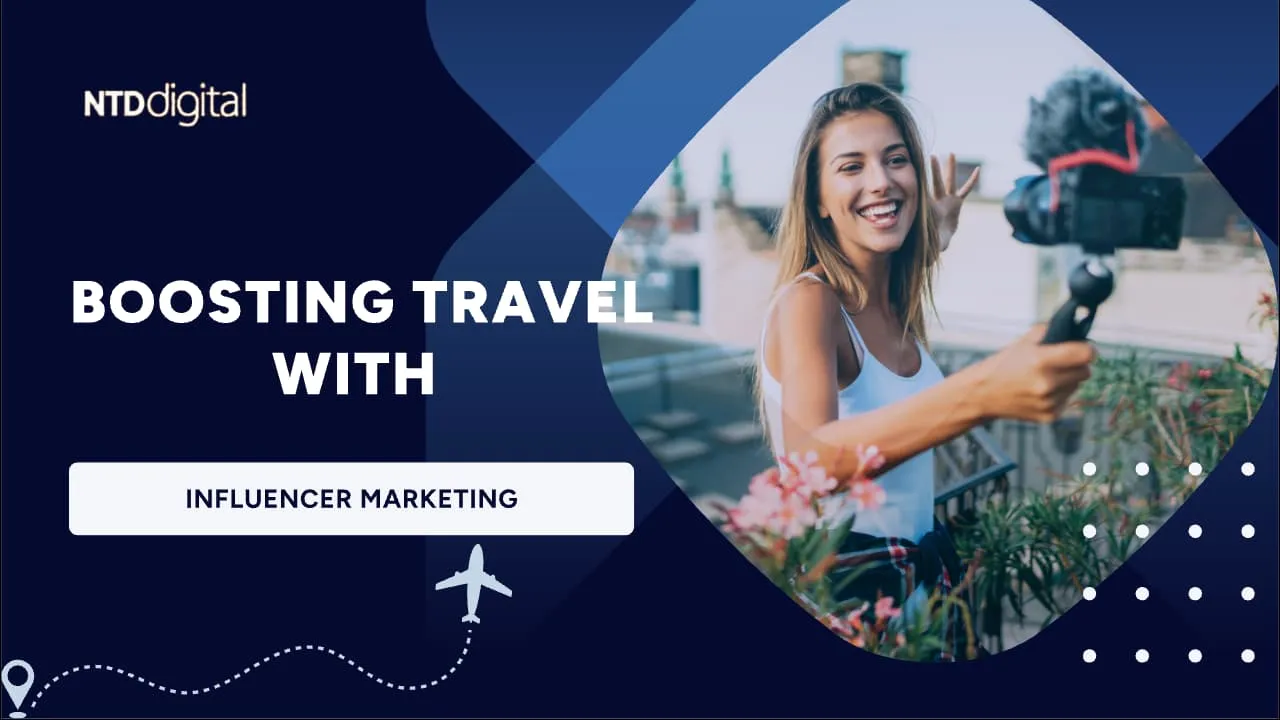
Last updated April 2026 by the NTD Digital team.
The travel content is stunning. The bookings aren’t following. Here’s the real problem.
You invested in an influencer campaign. A travel creator with a substantial following posted breathtaking destination content - drone shots, golden-hour reels, the kind of imagery that stops a scroll mid-thumb. The post performed well. Thousands of likes, hundreds of comments asking “where is this?!”
And then your booking numbers looked exactly the same as the month before.
This is the most common failure mode in travel influencer marketing. The content does its job - it creates desire. But desire without a clear, low-friction booking path doesn’t generate revenue. There was no affiliate link to the hotel. No promo code for the tour operator. No link in bio pointing to a landing page designed to convert that inspiration into a reservation.
The old model - post a travel reel, watch bookings flood in - has never actually worked without the right infrastructure underneath it.
Why most travel influencer campaigns stall at awareness
The travel category has a conversion challenge that other categories don’t: the purchase is high-consideration. A consumer who sees a product in an influencer video can buy it in one tap through TikTok Shop. A traveler who sees a destination needs to research accommodations, check availability, compare prices, and plan logistics - a process that can take days or weeks.
This means the gap between inspiration and booking is wide, and brands that don’t actively engineer a bridge across that gap lose the sale.
49% of consumers depend on influencer recommendations when making travel destination decisions - a higher trust signal than most brand-owned content can generate (Influencer Marketing Hub). But trust doesn’t automatically become bookings. The conversion path has to be built deliberately.
The global influencer marketing industry reached $32.55 billion in 2025 (Influencer Marketing Hub Benchmark Report, 2025). Travel is one of its most active verticals. The brands capturing meaningful bookings from that investment are using creator partnerships as a conversion channel - not just a media channel.
Travel influencer strategies that drive bookings in 2026
1. Pair destination content with affiliate booking links
Every piece of influencer travel content should have a trackable path to a booking page. That means affiliate or referral links to your accommodation, tour, or travel package - placed in the creator’s bio, linked in Instagram Stories, or pinned in TikTok video descriptions.
When a creator’s content genuinely inspires their audience, a percentage of viewers will immediately search for booking options. If your brand’s booking link is the first thing they see, you capture that intent. If there is no link - or a link to a generic homepage - you lose it.
Set up tracking through your booking platform’s affiliate system or a UTM-tagged landing page before any content goes live.
2. Commission itinerary content, not just destination posts
The travel content that converts best isn’t aspirational destination photography - it’s practical planning content. Itinerary guides, day-by-day trip breakdowns, “what I spent in X destination for 7 days,” and accommodation reviews with booking links attract travelers who are actively in the research-and-planning phase.
Audience members searching “best things to do in Costa Rica for a week” or “is this resort worth it?” are much closer to booking than someone who passively scrolled past a beautiful sunset reel. Commission long-form itinerary content on creator blogs and YouTube in addition to short-form social posts - it drives organic search traffic and conversions months after the original publication date.
3. Invest in short-form discovery content on TikTok
TikTok’s algorithm surfaces content to non-followers based on interest signals, making it uniquely powerful for travel discovery among new audiences. TikTok reaches 136 million US monthly active users (eMarketer, 2025), and the platform’s travel content category sees strong organic reach for destination videos, hidden-gem recommendations, and budget travel tips.
Short-form travel content on TikTok functions as a top-of-funnel discovery mechanism - it expands your potential audience dramatically. Pair it with conversion-focused Instagram content (where 143 million US users engage with shoppable posts and Stories, eMarketer, 2025) to build a full-funnel influencer strategy across both platforms.
4. Build ambassador programs with measurable performance tracking
One-off creator posts are the least efficient use of a travel influencer budget. A creator who posts about your destination or travel brand once generates a spike of awareness that decays rapidly. An ambassador relationship - where a creator returns to your destination, documents multiple visits, and becomes genuinely associated with your brand in their audience’s mind - builds compounding trust.
67% of consumers report trusting influencer recommendations when they appear consistent and ongoing rather than clearly one-time promotions (Nielsen/Matter Communications, 2026). Ambassadors who repeatedly endorse the same travel brand create a sustained perception of quality and authenticity that single posts can’t replicate.
Structure ambassador deals with quarterly check-ins, performance data reviews, and renewal based on tracked bookings and engagement - not just follower count.
5. Use influencer content to retarget engaged audiences
Visitors who arrive at your booking site from influencer content are qualified leads - they have explicit travel interest and a creator’s endorsement driving their curiosity. Installing a retargeting pixel and building custom audiences from this traffic allows you to follow up with targeted ads after the initial influencer touchpoint.
The typical travel purchase journey involves multiple touchpoints over days or weeks. Capturing influencer-driven visitors in a retargeting pool - and serving them booking-focused ads as they continue their research - converts a meaningful additional percentage of the audience that would otherwise be lost after the first visit.
What strong travel influencer marketing looks like
Effective travel influencer campaigns in 2026 combine creator selection based on audience travel intent, content formats matched to the buyer’s journey (discovery content on TikTok, conversion content on Instagram and YouTube), affiliate booking links in every piece of content, and retargeting infrastructure to capture warm leads.
See our broader breakdown of what’s working in influencer marketing trends for 2026 for context on how the travel vertical fits into the larger picture.
If you’re looking for an influencer marketing agency with experience in travel and tourism, NTD Digital builds programs designed for measurable booking attribution - not just reach. Get in touch for a free consultation.
Frequently Asked Questions
How do travel brands use influencer marketing effectively?
What type of travel influencer content converts to bookings?
Should travel brands use micro-influencers or mega travel influencers?
How do you track influencer-driven bookings for travel brands?
Is Instagram or TikTok more effective for travel influencer marketing?
Still have questions? Talk to our team →
Sources: Influencer Marketing Hub “Influencer Marketing Benchmark Report 2025” ($32.55B global industry size); eMarketer “US Social Media Users 2025” (Instagram 143M, TikTok 136M US monthly active users); Nielsen/Matter Communications “Influencer Trust Report 2026” (67% trust consistent influencer recommendations); consumer survey data on travel influencer reliance.